

Anchor Bow Rollers
-
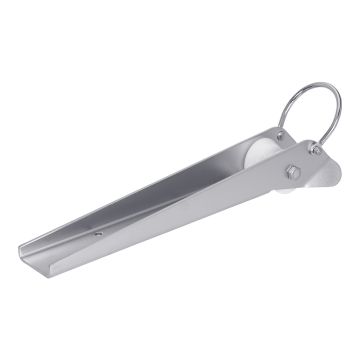 out of stock$124.99
Out of stock
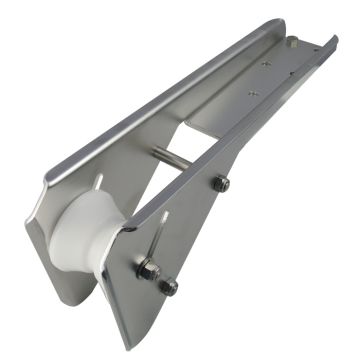
Anchor Rollers
Whether you are setting a plow anchor over a sand bottom or stowing a Bruce-style anchor on a coastal cruiser, the right anchor roller determines how cleanly the rode runs over the bow and whether the anchor stays put when you trailer or run in a chop. At Marine Depot Direct, you will find anchor rollers in universal bow, fairlead, articulated, pivoting self-launch, and Bruce/claw configurations, in 304 and 316 stainless steel, plus replacement Delrin wheels and bails for the roller designs we carry.
Shop by Roller Configuration
Anchor rollers fall into a few core configurations based on how the anchor stows and how the rode runs over the bow.
Single Bow Anchor Rollers
Universal bow anchor rollers handle plow, claw, and most fluke anchors that align with the bow. They are stocked in narrow, medium, and large widths to fit production boats and small cruisers, with satin and high-polish finishes available.
- Stamped 304 stainless models for trailerable runabouts
- Cast 316 stainless models for coastal and saltwater cruisers
- Polyurethane sheaves to reduce noise and chain wear
Dual Bow Rollers
Fairlead anchor rollers use an extended platform with a single sheave and side rails that guide the rode straight off the bow. They are a good fit when the anchor stows asymmetrically or when bow geometry requires a longer extension to clear the gelcoat.
- Wider platform for asymmetric anchor stowage
- Independent sheaves for chain and anchor contact
- Heavier brackets for the higher cyclic load of all-chain rodes
Pivoting and Self-Launching Rollers
Pivoting designs articulate to follow the rode angle as the boat swings, reducing lateral load on the bracket. Self-launching configurations add a longer platform that supports the fluke as gravity drops the anchor over the side.
- Reduces wear on the bracket pivot under shock loading
- Some models let you deploy and retrieve without leaving the helm, depending on bow geometry and windlass setup
Material Selection
Most anchor rollers are built in either 304 or 316 stainless steel. The grade you choose depends on where the boat lives.
- 316 stainless contains roughly 2 to 3 percent molybdenum, which resists chloride pitting in saltwater service. It is the durable choice for boats kept in salt water year-round.
- 304 stainless holds up acceptably in freshwater and on trailered boats that are rinsed and stored dry. Some 304 models will surface-rust at welds and crevices over time in salt service.
- Bronze axles and polyurethane sheaves extend service life on rollers seeing daily use.
Sizing and Fitment
Two dimensions matter most when matching a roller to your boat.
- Shank slot width: the roller frame must accept the anchor shank with enough clearance to pivot freely as the anchor stows.
- Platform length: the unit must extend the anchor far enough forward of the bow that the fluke or plow does not contact the gelcoat under load.
Boats with a curved or recessed bow may need a longer fairlead or articulated platform to clear the gelcoat. Some installations work better with a dedicated anchor pulpit that extends ahead of the deck.
Replacement Parts and Accessories
Anchor rollers are made up of components that wear at different rates. The sheave is the part that sees the most service load. We stock replacement Delrin wheels and replacement bails for the roller designs we carry, so a worn wheel does not require replacing the entire roller assembly.
If you are unsure which anchor roller option to choose, contact us and our team can help with general product guidance, mounting style questions, and selection support.
Why Buy from Marine Depot Direct?
We stock anchor rollers in lengths from 11 inches to over 24 inches, covering applications from production runabouts up to coastal cruisers. Our team can confirm shank-slot dimensions and platform length against your anchor model before you order, which eliminates the most common source of return: a roller that fits the deck but not the anchor.
Frequently Asked Questions About Anchor Rollers
Is 316 stainless required for anchor rollers, or will 304 work?
316 is the durable choice for saltwater service. Its molybdenum content resists pitting in chloride environments where 304 will eventually surface-rust at welds and crevices. Use 304 only on freshwater boats or trailered runabouts that are rinsed and stored dry.
Can I install an anchor roller on a curved bow?
Yes, but the platform length needs to clear the gelcoat under load. Curved or recessed bows may require a longer fairlead or articulated roller so the anchor fluke does not contact the hull when the rode comes tight. Measure the bow profile from the chock or pulpit forward before selecting a unit.
What size anchor roller do I need for my boat?
Match the shank slot width to the anchor shank thickness with a small clearance for free pivot, and match the platform length to the anchor type and bow geometry. Plow and claw anchors typically work with shorter platforms, while some Delta-style and Bruce-style anchors need longer extensions to clear the hull.
How do I keep the roller wheel from seizing up?
Rinse the unit with fresh water after saltwater use and apply a marine-grade dry lubricant to the axle annually. Polyurethane wheels last longer than nylon under UV and chain abrasion. If the axle pin seizes, replace it with a stainless pin of the same diameter; most rollers accept a standard replacement.