


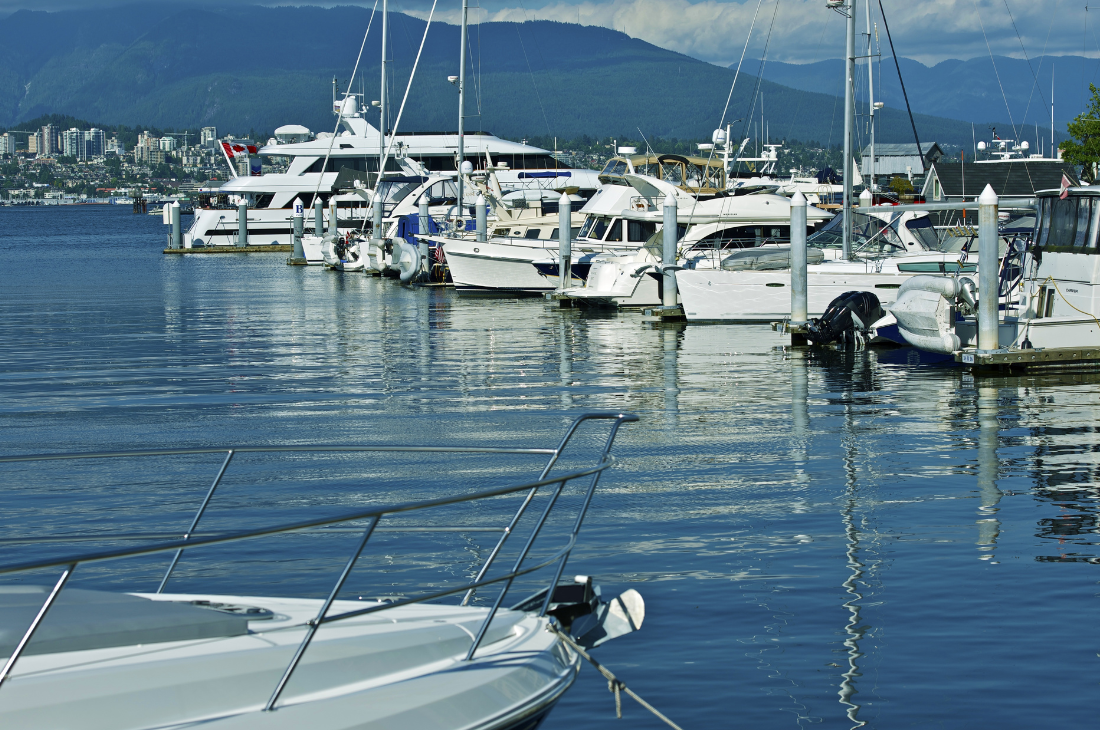
Boating in the harbor can be an exciting and rewarding experience for beginners looking to explore coastal waters and bustling maritime communities. Navigating a harbor requires some basic knowledge and skills to ensure a safe and enjoyable outing on the water. Whether you're interested in sightseeing, fishing, or simply cruising along the waterfront, here's your comprehensive beginner's guide to boating in the harbor.
Understanding Harbor Basics
Before venturing into the harbor, it's essential to familiarize yourself with basic navigation principles and harbor rules. Learn to recognize navigational aids such as buoys, markers, and channel markers, which indicate safe passage through the harbor's waters. Observe speed limits, no-wake zones, and other regulations to ensure the safety of yourself and others on the water. Invest in a nautical chart or GPS device to help navigate unfamiliar waters and avoid hazards such as shoals, rocks, and other vessels.
Preparing Your Vessel
Prior to setting sail, conduct a thorough safety check of your vessel to ensure it's in good working condition. Inspect essential systems such as the engine, steering, navigation lights, and safety equipment including life jackets, flares, and fire extinguishers. Pack emergency supplies such as a first aid kit, tools, spare parts, and extra fuel or batteries. Regular maintenance and proper equipment ensure a safe and trouble-free boating experience in the harbor.
Launching and Docking
Launching and docking your boat in the harbor can be challenging, especially for beginners. Practice basic boat handling skills such as steering, throttle control, and maneuvering in tight spaces before attempting to navigate the harbor. Take your time and approach the dock slowly, using fenders and dock lines to protect your vessel and ensure a smooth landing. Learn proper docking techniques such as using spring lines to secure your boat and prevent drifting or swinging in the current.
Navigating Traffic
Harbors are busy waterways with a mix of recreational boats, commercial vessels, and other watercraft sharing the same space. Practice courteous and safe navigation by following the "rules of the road" and adhering to established traffic patterns and right-of-way rules. Keep a lookout for other vessels, kayakers, paddleboarders, and swimmers, and maintain a safe distance to avoid collisions. Use sound signals and hand signals to communicate your intentions to other boaters and maintain situational awareness at all times.
Exploring the Harbor
Once you've mastered the basics of navigation and boat handling, it's time to explore the harbor and discover its many attractions. Cruise along the waterfront to admire scenic views, historic landmarks, and iconic waterfront architecture. Visit marinas, yacht clubs, and waterfront restaurants to soak up the maritime atmosphere and enjoy waterfront dining and entertainment options. Keep an eye out for wildlife such as dolphins, seabirds, and marine mammals that inhabit the harbor's waters.
Key Takeaways
Boating in the harbor offers beginners a fantastic opportunity to experience the joys of coastal cruising and waterfront exploration. By understanding harbor basics, preparing your vessel, practicing safe navigation, and exploring points of interest, you can embark on a memorable and rewarding harbor adventure. Whether you're sightseeing, fishing, or simply enjoying the scenic beauty of the waterfront, boating in the harbor is sure to provide endless opportunities for fun and relaxation on the water.