


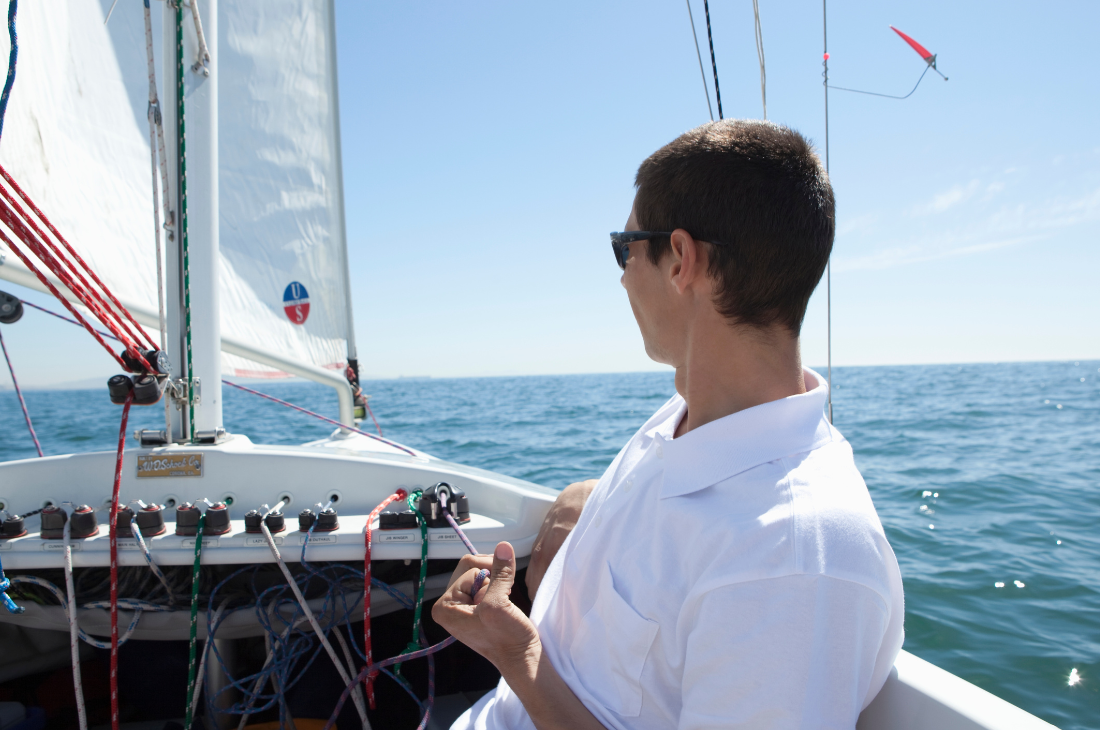
Sailing solo can be an exhilarating experience, offering a sense of freedom and self-reliance on the open water. Whether you're embarking on a day sail or a longer voyage, mastering the art of single-handed sailing requires careful preparation, skill, and resourcefulness. Here are some essential tips and tricks to help you navigate the challenges and enjoy successful single-handed boating adventures.
Preparing Your Vessel
Before setting sail solo, it's essential to ensure that your vessel is equipped for single-handed operation. Consider making modifications to your boat to simplify sail handling and maneuvering. Install self-tailing winches, roller furling systems, and single-line reefing systems to make sail adjustments easier from the cockpit. Invest in a reliable autopilot or self-steering device to maintain course while you attend to other tasks onboard. Organize your deck layout and rigging for optimal efficiency and ease of use, with controls and lines within reach of the helm.
Mastering Boat Handling
Solo sailors must master a variety of boat handling techniques to navigate safely and efficiently. Practice reefing and de-powering sails single-handedly to adjust to changing wind conditions quickly. Learn to heave-to or deploy a drogue or sea anchor for stability in heavy weather or when taking breaks. Practice tacking and jibing smoothly and efficiently, using techniques such as backwinding sails or using a preventer to control the boom. Develop strategies for docking and mooring solo, including using spring lines and fenders to assist in maneuvering.
Managing Time and Energy
Sailing solo requires careful planning and time management to ensure a safe and enjoyable voyage. Create a detailed itinerary and sailing plan, taking into account weather forecasts, tidal currents, and potential hazards along your route. Allow extra time for tasks such as sail changes, navigation, and rest breaks to avoid fatigue and stay alert while underway. Prioritize safety above all else, and be prepared to alter your plans or seek shelter in adverse conditions.
Safety First
Safety is paramount when sailing solo, and solo sailors must be prepared for emergencies and unexpected challenges. Equip your boat with essential safety gear, including life jackets, harnesses, jacklines, and a man overboard recovery system. Carry a well-stocked first aid kit, emergency signaling devices, and a satellite phone or VHF radio for communication. Practice emergency procedures such as reefing sails quickly, deploying safety equipment, and conducting a solo man overboard drill to build confidence and readiness.
Embracing Solitude
While sailing solo can be physically and mentally demanding, it also offers moments of solitude and self-discovery on the water. Embrace the opportunity to disconnect from the distractions of daily life and reconnect with nature and yourself. Take time to appreciate the beauty of the sea, the sound of the wind and waves, and the sense of freedom that comes with sailing solo. Use solo sailing as an opportunity for personal growth, self-reflection, and exploration of new horizons both on and off the water.
Key Takeaways
Sailing solo is a challenging yet rewarding pursuit that offers unparalleled freedom and adventure on the water. By preparing your vessel, mastering boat handling techniques, managing your time and energy, prioritizing safety, and embracing solitude, you can embark on successful single-handed boating adventures with confidence and joy. Whether you're cruising coastal waters, crossing oceans, or exploring remote destinations, solo sailing offers endless opportunities for exploration, self-discovery, and adventure on the high seas.